
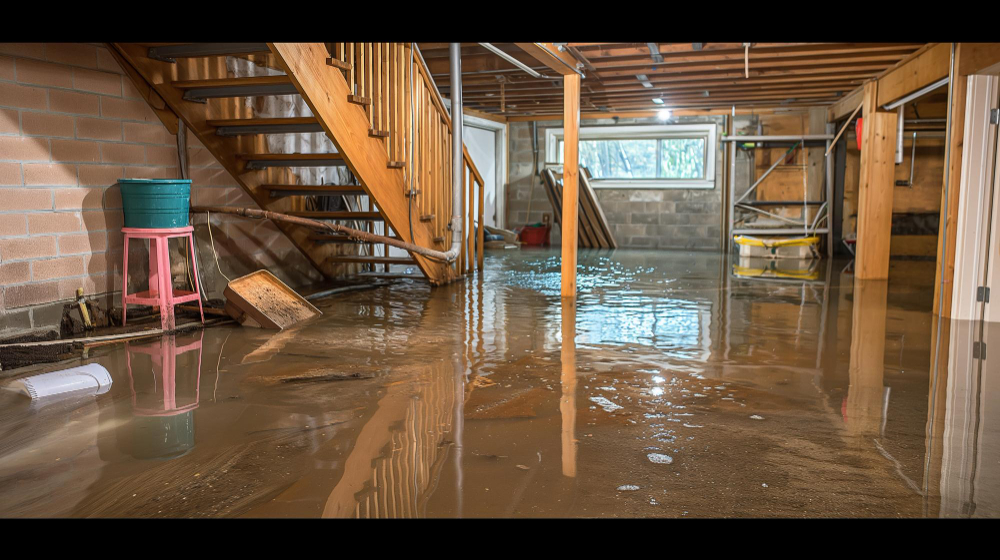
Many Michigan homeowners are surprised to learn that standard homeowners insurance does not
cover rising floodwater—and that sewer or sump pump backup claims usually require a special endorsement. These two types of water damage are completely different in the eyes of insurance, even if the end result in your basement looks the same. Understanding the difference helps West Michigan homeowners, especially those near the Grand River and other low-lying areas of Grand Rapids, avoid costly coverage gaps before the next heavy rainfall or spring thaw.
Crosby & Henry Insurance works with Michigan homeowners every day to explain where flood insurance applies, when sewer backup coverage is needed, and how to protect your home from both types of losses.
Why Water Damage Is So Confusing for Homeowners
Not all water damage is treated the same by insurance companies. In fact, water that enters your home from outside
is usually considered a flood, while water that backs up through drains, sewers, or a failing sump pump is classified as sewer or water backup.
This distinction matters because:
- Homeowners insurance does not cover rising water floods.
- Sewer backup coverage must be added as an endorsement to your policy.
- Flood insurance must be purchased separately (NFIP or private).
Michigan homeowners—especially those in Grand Rapids, Ada, Lowell, Grand Haven, and other Grand River watershed communities—are increasingly encountering both types of losses as heavy rainfall and saturated ground become more common in West Michigan.
What Sewer Backup Coverage Actually Protects
Sewer backup coverage protects your basement or lower level when water enters your home due to:
- A clogged or overloaded city sewer line
- Your home’s main sewer line backing up
- A sump pump that fails or can’t keep up during heavy rain
- Drain or plumbing line blockages that cause water to push back into the home
This coverage applies to sudden, accidental events—often after intense periods of West Michigan rainfall when city systems and sump pumps are overwhelmed.
Without this endorsement, damage from backup or sump pump failure is usually not covered.
Common Causes of Sewer or Sump Pump Backup in Michigan
- Heavy rain or rapid snowmelt causing drainage systems to overfill
- Aging sewer infrastructure in older Grand Rapids neighborhoods
- Tree root intrusion in older sewer lines
- Power outages that stop sump pumps from operating
- Frozen ground conditions that prevent proper drainage
In these cases, water typically pushes up
into the home through drains, floor cleanouts, or sump pits—making sewer backup coverage essential for most Michigan properties with basements.
How Flood Insurance Works—and When You Need It
Flood insurance covers water damage caused by rising water from outside the home. It applies when water enters the home from:
- Overflow of the Grand River or other waterways
- Lake Michigan-driven storm surges or high-water events (especially near Grand Haven)
- Overwhelmed storm drains causing street or yard flooding
- Surface water runoff pooling and entering the home
- Saturated ground seeping water into the basement
- Flash flooding during intense rainstorms
A standard homeowners policy does not cover these situations, regardless of how the water enters the house. Flood insurance must be purchased either through:
- The National Flood Insurance Program (NFIP), or
- Private flood insurance providers offering expanded coverage options
Learn more here: Flood Insurance.
Sewer Backup vs. Flooding: How to Tell the Difference
Michigan homeowners often ask: “How does the insurance company know whether my basement water came from a flood or a sewer backup?”
Here’s the basic rule:
- If water rises from outside and enters the home → Flood insurance applies.
- If water comes up through drains, toilets, or sump systems → Sewer backup coverage applies.
Still unsure? Here’s a quick comparison homeowners can use:
Signs of Sewer or Sump Pump Backup
- Water coming up through floor drains
- Overflow from a sump pit
- Gurgling sounds in plumbing lines before water appears
- Sewage smell or discoloration in the water
Signs of Flooding from Outside
- Water entering through windows, doors, or foundation cracks
- Pooling water in the yard or driveway before entering the home
- Street flooding overflowing toward the house
- Wide-area inundation affecting multiple properties
Why Michigan Homeowners Need Both Coverages
West Michigan experiences a unique combination of weather patterns that make both sewer backup and flooding possible:
- Heavy spring rain combined with melting snow
- High water tables near the Grand River and its tributaries
- Lake Michigan-driven storms pushing water inland
- Clay soil in many neighborhoods slowing drainage
- Increasing rainfall intensity throughout Michigan
Because these events cause damage in different ways, having both coverages prevents major out-of-pocket losses.
How Much Sewer Backup Coverage Should You Have?
Many carriers offer sewer backup limits ranging from $5,000 to over $50,000. To choose the right amount, consider:
- The cost to replace basement flooring, cabinets, drywall, or mechanical systems
- The value of personal belongings stored in the basement
- Whether your basement is finished or partially finished
- The presence of a sump pump or older plumbing systems
Crosby & Henry Insurance can help estimate an appropriate limit based on your home layout and risk profile.
When You Need Flood Insurance—Even If the Bank Doesn’t Require It
Mortgage lenders only require flood insurance if your home lies in a FEMA-designated high-risk zone. However, many Grand Rapids and Grand Haven homes outside these zones still experience:
- Flooding from overwhelmed storm drains
- Surface water runoff during storms
- Basement seepage after prolonged rain
- Flooding caused by saturated ground
One inch of water can cause over $25,000 in damage—making voluntary flood insurance a smart choice for many Michigan homeowners.
Where to Find Help During a Water Loss
Water damage claims can be stressful, especially when you’re unsure which coverage applies. Crosby & Henry Insurance provides guidance before and after a loss to help you understand what steps to take and how the claim will be handled.
Visit: Claims Guidance
Helpful Resources
Review Your Water-Related Coverage Before the Next Storm
As West Michigan weather becomes more unpredictable, having the right combination of sewer backup and flood insurance is essential—especially for Grand River-area homes and properties across Grand Rapids, MI. A quick coverage review today can prevent a devastating financial loss tomorrow.
Contact Crosby & Henry Insurance to review your water-related coverage before the next storm.