
Your Homeowners Policy Has a Jewelry Ceiling. We Raise It.
A scheduled jewelry floater covers your engagement ring, heirloom pieces, and valuable collections at their actual appraised value — including losses your standard policy won't touch.
What Your Homeowners Policy Actually Covers — and Where It Stops
Most homeowners policies include personal property coverage, but jewelry is treated as a sub-category with its own hard cap. In most cases, that limit runs between $1,000 and $2,500 — regardless of what your pieces are actually worth. An engagement ring, a grandmother's diamond, or a curated collection can exceed that limit many times over, and everything above the cap is uninsured.
There are two additional gaps that catch clients off guard. First, standard policies require proof of theft — a police report, evidence of forced entry, a clear chain of events. Second, mysterious disappearance is explicitly excluded. If your ring slips off at the beach or goes missing without explanation, a standard homeowners policy won't pay. A jewelry floater changes both of those outcomes.
Michigan's active lifestyle — boating seasons, travel, outdoor summers, and busy holiday periods — creates more opportunity for jewelry loss than most policyholders account for. The coverage gap is real, and it's easy to close once you know it's there.
How a Scheduled Jewelry Floater Works
A scheduled personal property endorsement — commonly called a jewelry floater — insures individual high-value items at their specific appraised value rather than a blanket policy sub-limit. Each piece is listed separately with its own coverage amount, and most floaters carry no deductible.
Coverage under a jewelry floater typically includes:
- Theft, including theft without signs of forced entry
- Mysterious disappearance — "I have no idea where it went" is a valid claim
- Accidental loss, including items lost during travel or outdoor activity
- Damage from fire, water, or other covered perils
- Worldwide coverage, so your jewelry is protected whether you're in Grand Rapids or abroad
Because coverage is tied to a current appraisal, the value is documented and agreed upon in advance. When a claim occurs, there's no negotiation about what the piece was worth.
When to Review Your Jewelry Coverage
Two situations bring most clients to this conversation. The first is an engagement — a new ring purchased or received, often during the late fall and winter months, that immediately represents one of the most valuable items a person owns. The second is inheritance, when a family member passes and jewelry of real sentimental and monetary value transfers to someone who may not know what coverage, if any, exists.
Beyond those two triggers, there's a quieter risk that affects long-term clients: coverage that was set years ago and never updated. Jewelry values fluctuate with gold and diamond markets, and a piece insured at its 2010 appraised value may be significantly underinsured today. A short conversation and a current appraisal corrects this — and it's the kind of detail that a consultative agent catches before a claim makes it obvious.
If you're not certain what your jewelry is currently insured for, or whether your pieces are scheduled individually, that's the right starting point.
Jewelry Insurance as Part of Your Broader Personal Insurance Picture
A jewelry floater doesn't replace your homeowners policy — it extends it. For most clients, it's added as an endorsement to an existing home or renters policy, which keeps everything with one agency and simplifies the claims process if you ever need it.
Crosby & Henry has served Michigan families since 1858, and multi-generational client relationships are a consistent part of how we work. When a parent helps an adult child insure a first home, the jewelry conversation often follows naturally. When an estate transfers valuable pieces to the next generation, we're already familiar with the family's full coverage picture.
Independent agency access to carriers including Safeco, Liberty Mutual, Nationwide, and others means we can match your jewelry coverage to the carrier and terms that fit your situation — not the only option a captive agent can offer.
Does my homeowners insurance cover my engagement ring?
It covers it up to the jewelry sub-limit in your policy, which is typically $1,000–$2,500. If your ring is worth more than that — and most engagement rings are — everything above the limit is uninsured. A scheduled floater covers the ring at its full appraised value.What does "mysterious disappearance" mean in an insurance context?
It means a loss with no known cause — a ring that's simply gone, with no theft, no damage event, and no clear explanation. Standard homeowners policies exclude this. A jewelry floater covers it, which matters most for rings and small pieces that can be lost during everyday activity.How do I get my jewelry appraised for insurance purposes?
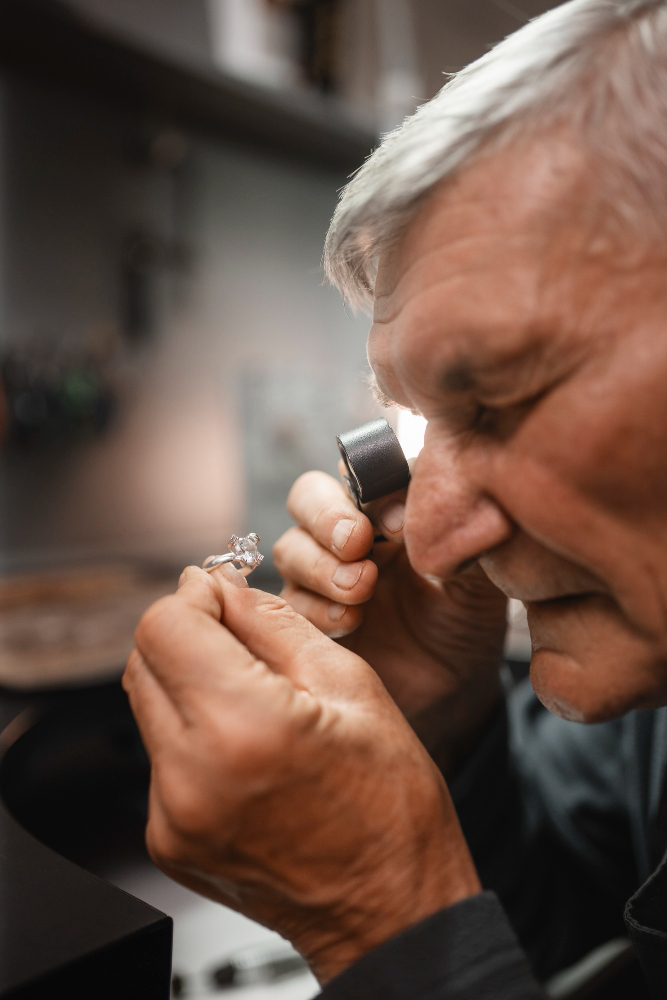
A licensed jewelry appraiser provides a written document listing the item's description, materials, and current market replacement value. Most jewelers can refer you to an appraiser, or your agent can point you in the right direction. The appraisal becomes the basis for your scheduled coverage amount.Is there a deductible on a jewelry floater?
Many jewelry floaters carry no deductible, which is one of the primary reasons to schedule high-value items separately rather than relying on your homeowners policy's personal property coverage. Confirm the deductible terms when you review the endorsement — your agent will walk you through them.How often should I update my jewelry appraisal?
Every three to five years is a reasonable baseline, or sooner if gold or diamond prices have shifted significantly. An outdated appraisal can leave you underinsured at claim time. We recommend reviewing scheduled items whenever you do a broader coverage review — something we do with clients as a standard part of the relationship.