
Your Collector Vehicle Deserves More Than a Standard Auto Policy
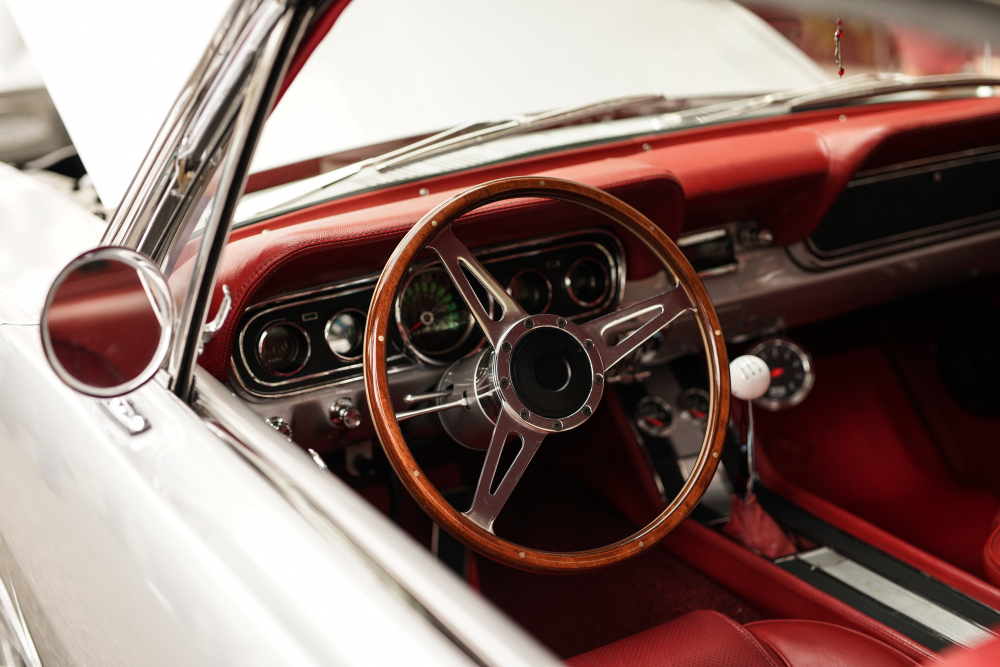
Classic car insurance in Michigan is a specialty product built around one principle your regular auto policy ignores: your vehicle isn't depreciating. It's appreciating. At Crosby & Henry, we've been placing coverage for Michigan families since 1858, and we know that a 1967 Mustang or a restored Packard isn't a daily driver — it's an investment. We access specialty carriers including Hagerty and Grundy to make sure your agreed value coverage actually reflects what your vehicle is worth.
Agreed Value Coverage: The Difference That Matters at Claim Time
Standard auto policies pay actual cash value when a vehicle is totaled — which means the carrier applies depreciation to the settlement, regardless of what your car is actually worth on the collector market. Classic car insurance works differently. With agreed value coverage, you and the carrier establish the vehicle's insured value before the policy is written. If a total loss occurs, that agreed amount is what gets paid. No depreciation. No negotiation after the fact.
For collector and investment-grade vehicles, this distinction isn't a minor policy detail — it's the entire reason specialty coverage exists. A vehicle that has gained value over decades should not be settled on the same terms as a five-year-old commuter car.
Specialty Carriers Built for Collector Vehicles — Not Workarounds
Standard auto carriers weren't designed to underwrite collector vehicles. When a classic car gets forced into a standard auto product, the pricing assumptions, valuation methods, and claims handling all reflect daily-driver actuarial tables — none of which apply to a garaged, low-mileage investment vehicle.
Specialty carriers like Hagerty and Grundy built their programs specifically for this segment. They understand collector market values, they price on limited use rather than commute miles, and their claims teams know how to handle a vehicle that requires specialty parts and restoration-grade repair. As an independent agency, we access these programs and compare options across carriers — we're not locked into one company's product and forced to make it fit your situation.
- Access to Hagerty, Grundy, and additional specialty classic car carriers
- Agreed value underwriting that reflects collector and appreciation value
- Pricing based on limited use and garaged storage — not standard actuarial tables
- Claims handling through carriers experienced with specialty and restoration repair
Michigan's Classic Car Season and What Your Policy Needs to Reflect
West Michigan has an active collector car community, with shows, cruises, and events running from spring through fall. Most classic car policies are structured around that seasonal pattern — they apply mileage restrictions and require that the vehicle be garaged rather than stored outdoors. These conditions exist because the underwriting is based on limited, intentional use rather than daily exposure.
The conditions matter as much as the coverage itself. A policy that doesn't match your actual driving patterns or storage situation creates a gap that only surfaces at claim time. Before we place coverage, we review how and where you use the vehicle, how it's stored, and whether your driving habits fit within the carrier's program requirements. That review prevents coverage voids — and it's the kind of consultation a direct-to-consumer quote portal can't provide.
What Classic Car Insurance Typically Covers
While every policy is tailored to the specific vehicle and its use, classic car coverage generally includes:
- Agreed value total loss settlement with no depreciation applied
- Collision and comprehensive coverage for physical damage
- Liability coverage for bodily injury and property damage
- Uninsured and underinsured motorist protection
- Coverage for spare parts and restoration components
- Roadside assistance and flatbed towing where available through the carrier
Antique auto insurance in Michigan can also extend to multiple vehicles under a collector policy, which is worth discussing if you own more than one classic or vintage vehicle. Coverage terms, mileage allowances, and storage requirements vary by carrier — we walk through the specifics with you before recommending a program.
What qualifies as a classic car for insurance purposes in Michigan?
Most specialty carriers define a classic or collector vehicle as one that is at least 25 years old, used for pleasure driving rather than daily transportation, and stored in a garage or enclosed structure. Some carriers extend eligibility to vehicles as young as 15 years if they meet collector criteria. The specific eligibility requirements vary by carrier, and we review your vehicle against the programs we have access to before recommending coverage.What is agreed value coverage and how is it different from actual cash value?
Agreed value means you and the carrier establish the vehicle's insured value at the time the policy is written. If the vehicle is totaled, that agreed amount is paid in full — no depreciation is applied. Actual cash value, which is standard on most auto policies, allows the carrier to reduce the settlement based on the vehicle's depreciated market value at the time of loss. For collector vehicles that hold or gain value over time, agreed value is the appropriate coverage structure.Are there mileage restrictions on classic car insurance in Michigan?
Most classic car policies do include annual mileage limits, typically ranging from 1,000 to 5,000 miles per year depending on the carrier and program. These limits reflect the limited-use nature of collector vehicles and are part of what keeps premiums favorable. We review your typical driving patterns during the consultation to confirm the mileage allowance in a given program fits your actual use — including show attendance, club drives, and seasonal cruises.Does my classic car need to be garaged to qualify for collector car insurance?
Most specialty carriers require that the vehicle be stored in an enclosed structure — a private garage, barn, or similar covered storage. Vehicles stored outdoors typically do not qualify for classic car programs. If your storage situation is unconventional, that's worth discussing before we place coverage so we can identify a carrier whose requirements align with your circumstances.Can I insure multiple classic vehicles on one policy?
Many specialty carriers offer multi-vehicle or collector fleet policies that cover several classic or vintage vehicles under a single program. This can simplify administration and, in some cases, reduce overall premium. If you own more than one collector vehicle, we review your full inventory and recommend whether a combined policy or separate placements make more sense for your situation.