
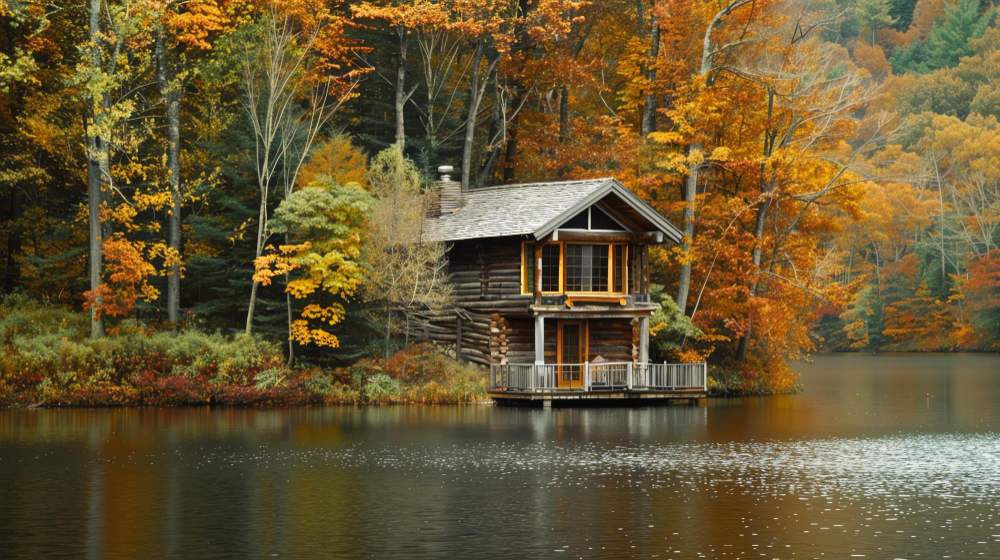
Vacation homes and seasonal properties in Traverse City and Northern Michigan need different insurance protection than a primary residence. Because these homes often sit vacant, they face unique risks such as frozen pipes, ice dams, winter storms, and undetected water damage. Many cottages and lakefront homes also have higher replacement values due to custom construction and remote locations. Crosby & Henry Insurance helps Traverse City, MI and Grand Traverse County property owners understand the coverage differences so their seasonal homes are protected year‑round.
Why Vacation Homes Need Different Coverage
A second home is exposed to different risks simply because you aren’t there every day. A burst pipe, windstorm, or roof leak can go unnoticed for days—or even weeks—causing significantly more damage than it would in a full-time residence. Northern Michigan weather adds another layer of risk as freezing temperatures, heavy snowfall, and rapid thaw cycles can stress roofs, plumbing, and foundations.
For these reasons, insurance companies classify vacation homes, cottages, and seasonal properties differently. Crosby & Henry Insurance can help determine which policy type fits your Traverse City home based on how and when you use it.
Replacement Cost Matters More for Seasonal Properties
Many Northern Michigan vacation homes are custom-built, log-style, or located on unique terrain, meaning reconstruction costs may be higher than a typical suburban home. Replacement cost estimates should account for:
- Custom finishes or specialty materials
- Higher labor and material costs in remote areas
- Limited contractor availability during peak seasons
- Lakefront property requirements
Relying on the market value of a vacation home can leave you underinsured. A proper replacement cost analysis ensures the home can be rebuilt after a major loss—even if conditions make construction more expensive.
Vacancy Rules and Occupancy Requirements
Most insurance policies include rules about how long a home can be vacant before coverage changes. If a vacation home sits empty for long periods—common in Traverse City, Old Mission Peninsula, and surrounding areas—specific occupancy rules may apply.
Key considerations include:
- Vacancy limitations – Some policies reduce coverage after 30–60 days of no occupancy.
- Winterization requirements – Homes must maintain heat or have plumbing properly drained.
- Security expectations – Requirements for smoke detectors, monitored alarms, or caretaker check-ins.
Seasonal property insurance is designed with these rules in mind, providing coverage that matches how the home is actually used.
Frozen Pipes, Ice Dams, and Winter Damage
Northern Michigan winters are beautiful—but hard on homes. Vacation properties face higher risk of winter-related losses such as:
- Frozen or burst plumbing
- Ice dams forming along the roofline
- Snow load causing roof or gutter damage
- Water intrusion after heavy storms
Some policies exclude losses if the home was unheated, improperly winterized, or left unattended for long periods. Reviewing these conditions ahead of winter can prevent denied claims.
Water Damage: Not All Coverage Is the Same
Seasonal property owners should review which types of water damage are covered and which are not. Important distinctions include:
- Sewer or sump pump backup – Requires a separate endorsement.
- Groundwater or seepage – Often excluded unless flood insurance applies.
- Rising water from lakes or rivers – Covered only by flood insurance.
- Sudden, accidental leaks – Usually covered, but may require occupancy compliance.
For homes near Lake Michigan, Boardman River, or Grand Traverse Bay, adding flood insurance may also be recommended. Learn more at: Flood Insurance.
Personal Property Coverage for Seasonal Homes
Vacation homes often contain furniture, electronics, sporting equipment, water toys, and seasonal gear that add up to substantial value. Owners should review:
- Whether personal property is insured at replacement cost or actual cash value
- Coverage for items stored outside or in detached structures
- Limits for specialty items like kayaks, snowmobiles, or tools
- Whether theft coverage applies during vacancy periods
Cottages and lake homes sometimes require special scheduling for high-value items or equipment.
Short-Term Rental Considerations (If Applicable)
If you rent your Traverse City vacation home through Airbnb, VRBO, or short-term rental platforms, you may need additional coverage. Standard seasonal policies typically do not cover rental activity unless specifically endorsed.
Claims Considerations for Seasonal Homes
Because losses can go unnoticed, seasonal property claims often involve:
- More extensive water damage
- Mold or rot development
- Higher repair costs due to remote access
- Specialty contractors
If a claim occurs, understanding your responsibilities—and documenting seasonal upkeep—helps ensure a smoother process. For guidance, visit: Claims Guidance.
Helpful Links for Traverse City & Northern Michigan Homeowners
Coordinate Coverage for All Your Michigan Properties
Crosby & Henry Insurance helps homeowners across Northern Michigan and Grand Traverse County protect both their primary residence and seasonal or vacation homes with tailored coverage. Ensuring both properties work together under a coordinated insurance plan can prevent coverage gaps and simplify the claims process.
Contact Crosby & Henry Insurance to coordinate coverage for your primary and seasonal Michigan properties.