
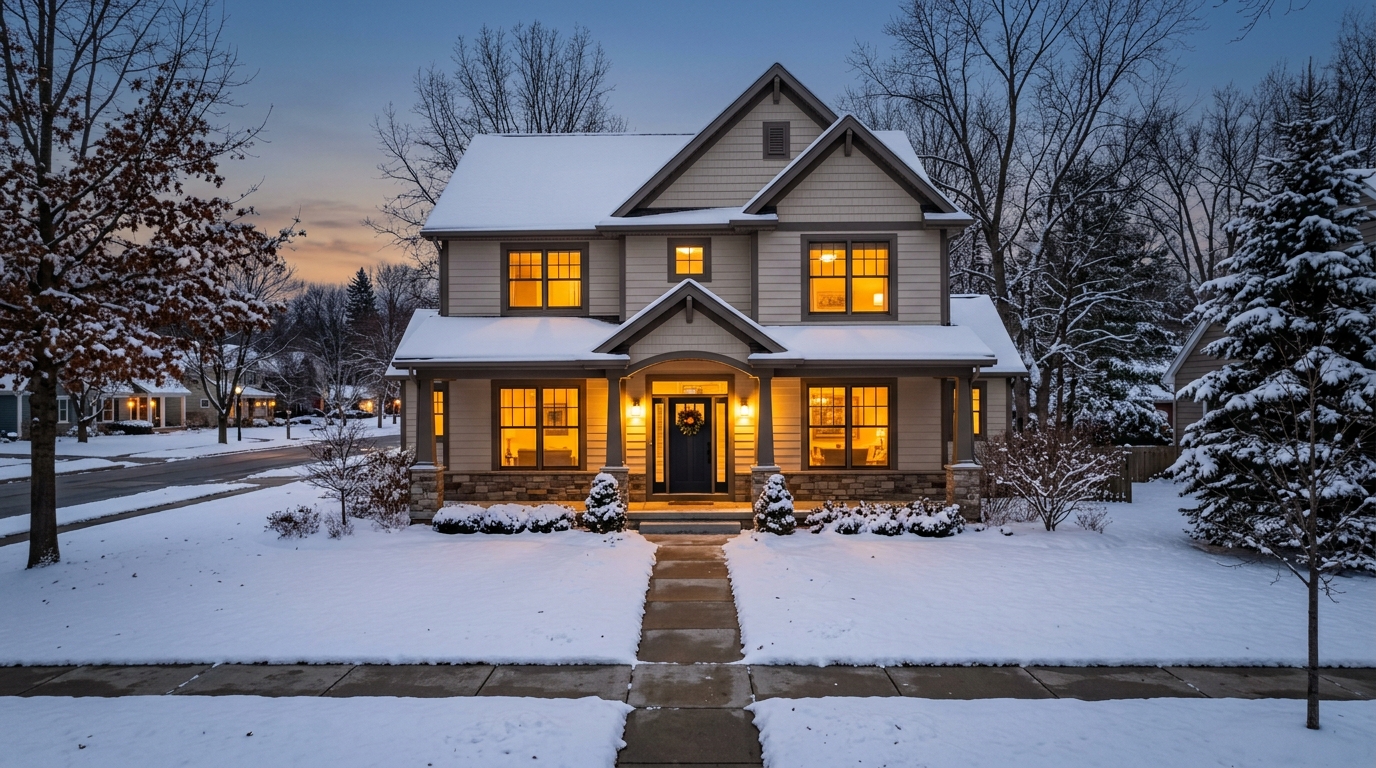
Michigan winters bring freezing temperatures, heavy snow, and unpredictable storms, and homeowners across Grand Rapids, Grand Haven, Kalamazoo, Traverse City, and the rest of the state feel the impact. Taking practical steps now can help protect your home and reduce the likelihood of claims on your homeowners insurance. As a family-owned insurance agency serving Michigan since 1858, Crosby & Henry Insurance works with clients to minimize risks long before severe weather sets in.
Below are key ways to prepare your home for winter—along with how each step connects to your coverage.
Protect Pipes From Freezing
Frozen pipes are one of the most common winter-related losses in Michigan homes. Insulate exposed pipes, keep heat circulating throughout the home, and let faucets drip during extreme cold spells. Most Michigan dwelling coverage includes protection for sudden and accidental water damage from burst pipes, but prevention helps avoid higher deductibles, water cleanup costs, and potential premium impacts.
Address Ice Dams Early
Ice dams can lead to roof leaks, damaged insulation, and interior water intrusion. Clearing gutters, improving attic ventilation, and removing snow buildup help reduce the risk. If damage occurs, homeowners insurance typically covers resulting interior damage—but coverage for older or worn roofs may depend on your policy’s repair or replacement terms.
Check Roof Condition Before Snowfall
Roofs across West Michigan experience significant winter stress. Scheduling a fall inspection can help identify loose shingles, soft spots, or areas that may fail under heavy snow. Understanding your homeowners insurance wind and hail deductible and whether your roof is insured for replacement cost or actual cash value can also help you plan for potential claims.
Test Sump Pumps and Consider Backup Systems
Snowmelt and sudden thaws can cause basement water issues throughout Michigan. Test your sump pump and consider a battery or water-powered backup. Standard homeowners insurance does not cover flooding or water backup, but optional water backup coverage or a separate NFIP flood insurance policy may be recommended depending on your location, especially near the Grand River or in Lakeshore communities like Grand Haven.
Maintain Generators for Outages
Backup generators help keep heat, sump pumps, and essential systems running during storms. While homeowners policies typically do not cover mechanical breakdown, they may cover damage from covered perils. Keeping equipment properly maintained reduces risk during extended outages.
Prevent Liability From Icy Walkways
Slip-and-fall liability claims can increase during Michigan winters. Clearing ice, using salt, and improving exterior lighting protect visitors and reduce the likelihood of personal liability claims. Reviewing limits on your personal liability coverage or umbrella insurance can ensure you have adequate protection.
Create or Update a Home Inventory
A detailed home inventory helps verify personal property in the event of a loss. Photos, receipts, and digital records are valuable if you ever need to file a claim. This step is especially important for high-value items such as jewelry, collectibles, or scheduled personal property.
Review Deductibles Before Winter Claims Season
Winter storms can lead to roof, ice, and water-related claims. Reviewing your homeowners insurance deductible, including any specific wind and hail deductible, helps you understand your out-of-pocket responsibility. An independent home insurance agent in Grand Rapids can help clarify how deductibles apply to different types of losses.
As an independent insurance agency in Grand Rapids, we help homeowners across Michigan evaluate winter risks and ensure their coverage aligns with their home’s unique needs. Before severe weather arrives, we encourage you to connect with our team for a consultative review of your homeowners insurance so you can enter the season with confidence.